Nutritional Values per 100 g
CALORIES | 347 kcal |
| PROTEIN | 8 g |
| CARBOHYDRATES | 78 g |
| FATS | 0,8 g |
Also Known as Aborio rice
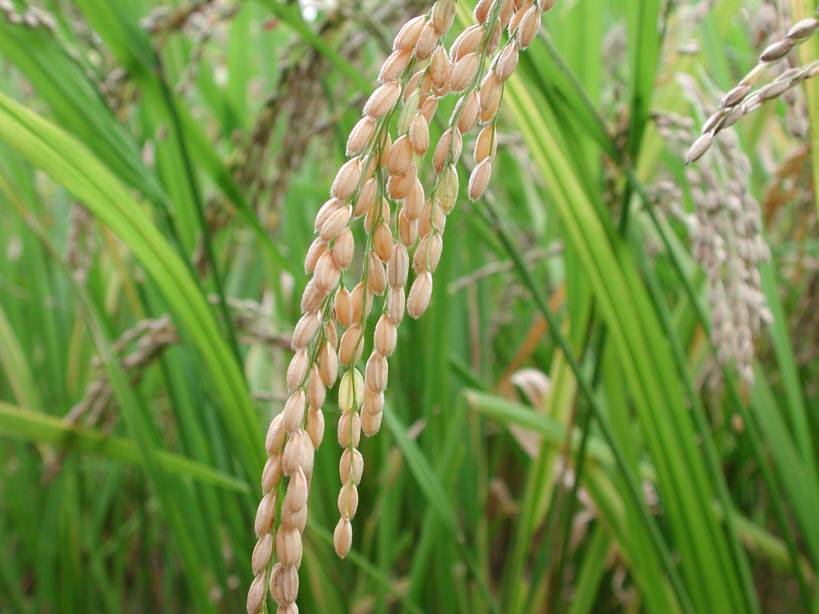
All rice is a member of the grass family. What makes Risotto (or Aborio) special is it's high amount of starch.
This starch is what makes Risotto "creamy" without any cream.
Arborio rice, which is considered synonymous with risotto in the US, is not the only risotto rice. In fact, in Italy, rices like carnaroli and vialone nano are also considered to be very fine risotto rices as well.
Risotto orginated in Northern Italy. Rice came to Italy sometime in the 10th century, probably brought to Sicily by Arab conquerors.

Risotto is both a dish and a technique for cooking rice.
Key Steps in cooking risotto:
Cook the rice in your veggies/wine until in it becomes translucent before you start to add your liquids. This insures that the rice will have taken on some of the oils. This is neccissary because that oil going to make kind of a water-resistant coat. The coat of oil on the rice is going to keep the starch from seeping out into the cooking liquid too quickly. If that happens, the rice would turn to mush before it's ready.
Slowly add your liquid to your rice while it's cooking. I do this by the ladel full and wait for most of the liquid to be absorbed before adding any more.
Legend has it that master glassmaker Valerius invented risotto in 1574 in Milan.
Rice is now cultivated in over 110 countries, in many different climates and environments.
Sources/good sites:
Good Eats
Season By Season
Arborio Rice