Showing posts with label food trivia. Show all posts

Tuesday, September 26, 2006

Pumpkin Trivia

Last year about 2 weeks after Halloween I took this picture. It is still my favorite Jack-o-Lantern ever. Is it not one of the saddest faces you've ever seen? While I was in Big Bear I rediscovered him and was inspired to learn a little more.

Pumpkin Fun Facts:
  • Using pumpkins as lanterns at Halloween is based on an ancient Celtic custom brought to America by Irish immigrants. All Hallows Eve on 31 October marked the end of the old Celtic calendar year, and on that night hollowed-out turnips, beets and rutabagas with a candle inside were placed on windowsill and porches to welcome home spirits of deceased ancestors and ward off evil spirits and a restless soul called "Stingy Jack" hence the name "Jack-o'-lantern".


  • In early colonial times, pumpkins were used as an ingredient for the crust of pies, not the filling.
  • Pumpkins are 90 percent water
  • Native Americans flattened strips of pumpkins, dried them and made mats.
  • Colonists sliced off pumpkin tips; removed seeds and filled the insides with milk, spices and honey. This was baked in hot ashes and is the origin of pumpkin pie.
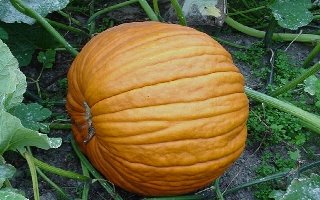


  • The name pumpkin originated from "pepon" the Greek word for "“large melon." (Has anyone seen- My Big Fat Greek Wedding?- this fact should have been slipped into that movie!)

What is your favorite Pumpkin recipe?

(I must admit I have not used it much besides in pie- I want to try it as a crust though)


----------------------------------------------------------------------------
Sources : 1 2 3


Tuesday, August 22, 2006

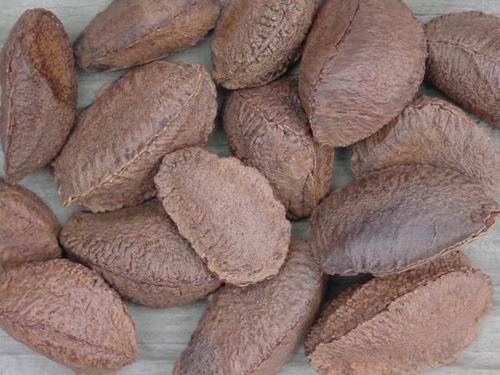
Brazil Nut Facts

I eat Brazil nuts all the time. It's my favorite nut for sure.


Best thing I've learned-

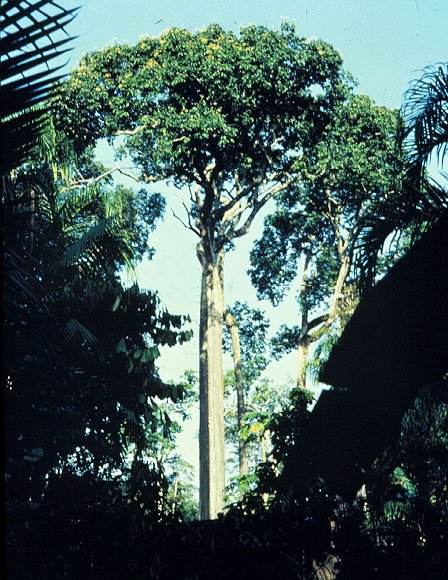
Brazil nuts are by far the most important non-timber forest product in the Amazon. Over a hundred thousand Amazonian inhabitants depend on the revenues related to Brazil nut extration. Since they only grown in untouched forests, several million acres are protected because of these nuts.


Tree reaching 30–45 m tall and 1–2 m trunk diameter, among the largest of trees in the Amazon Rainforests

Live for 500 years or more


The tree is also deeply involved with local wildlife (see here);
I think this
Photo Gallery has the best information on the life of a Brazil Nut.


Families HAND gather the nuts. That makes me feel that I should appreciate thes
e things even more.

Despite their name, the most significant exporter of Brazil nuts is not Brazil but Bolivia.


The Brazil nut effect, where large items mixed with other smaller items (e.g. Brazil nuts mixed with peanuts) tend to rise to the top, is named after the species' large nuts.

These nuts are a nutritional goldmine too

Brazil nuts excellent source of selenium and a good source of magnesium and thiamine.

Brazil nuts have a high amount of oil. This oil is also used as a lubricant in clocks and for making artists' paints.

This is my favorite research thus far. Good times learning good facts!

Teddy

-----------------------------------------------------------------
links
Wikipedia
Brazil Nut Page

Monday, August 14, 2006

Popcorn fun facts


From www.Popcorn.org
  • Americans consume some 17 billion quarts of this whole grain, good-for-you treat. That’s 54 quarts per man, woman, and child.

  • Compared to most snack foods, popcorn is low in calories. Air-popped popcorn has only 31 calories per cup. Oil-popped is only 55 per cup.

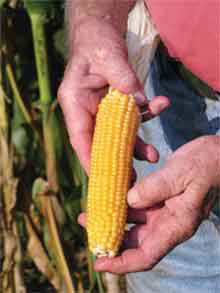
  • Of the 6 types of maize/corn—pod, sweet, flour, dent, flint, and popcorn—only popcorn pops.

  • Popcorn is a whole grain. It is made up of three components: the germ, endosperm, and pericarp (also know as the hull).


  • Popcorn needs between 13.5-14% moisture to pop.
  • Popcorn differs from other types of maize/corn in that is has a thicker pericarp/hull. The hull allows pressure from the heated water to build and eventually bursts open. The inside starch becomes gelatinous while being heated; when the hull bursts, the gelatinized starch spills out and cools, giving it its familiar popcorn shape.

  • Many people believe the acres of corn they see in the Midwest during growing season could be picked and eaten for dinner, or dried and popped. In fact, those acres are typically field corn, which is used largely for livestock feed, and differs from both sweet corn and popcorn.

  • The peak period for popcorn sales for home consumption is in the fall.

  • Most popcorn comes in two basic shapes when it's popped: snowflake and mushroom. Snowflake is used in movie theaters and ballparks because it looks and pops bigger. Mushroom is used for candy confections because it doesn't crumble.

  • Popping popcorn is one of the number one uses for microwave ovens. Most microwave ovens have a “popcorn” control button.

  • “Popability” is popcorn lingo that refers to the percentage of kernels that pop.

  • There is no such thing as “hull-less” popcorn. All popcorn needs a hull in order to pop. Some varieties of popcorn have been bred so the hull shatters upon popping, making it appear to be hull-less.

  • How high popcorn kernels can pop? Up to 3 feet in the air.
  • The world's largest popcorn ball, as measured by the Guinness Book of World Records: 12 feet in diameter, containing 2,000 pounds of corn, 40,000 pounds of sugar, 280 gallons of corn syrup and 400 gallons of water.

  • If you made a trail of popcorn from New York City to Los Angeles, you would need more than 352,028,160 popped kernels!
I looked at about 5 or six sites and these facts were my favorite. Popcorn has been one of my favorite snacks but I always feel like it's so bad for me. I bet my potato chips are worse though! It's dinner time; talk with you all later! Teddy

Monday, August 07, 2006

Risotto Facts


Nutritional Values per 100 g
CALORIES347 kcal
PROTEIN
8 g
CARBOHYDRATES78 g
FATS0,8 g


Also Known as Aborio rice

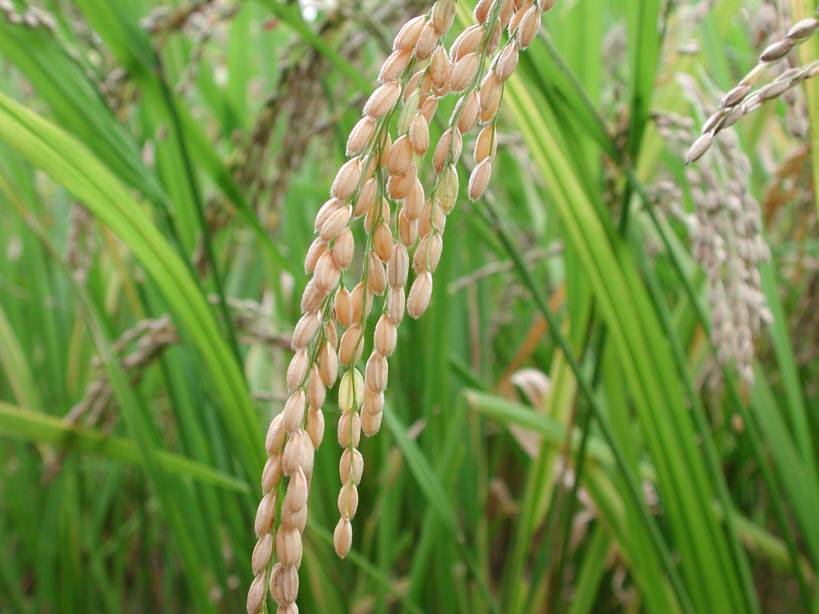
All rice is a member of the grass family. What makes Risotto (or Aborio) special is it's high amount of starch.
This starch is what makes Risotto "creamy" without any cream.


Arborio rice, which is considered synonymous with risotto in the US, is not the only risotto rice. In fact, in Italy, rices like
carnaroli and vialone nano are also considered to be very fine risotto rices as well.

Risotto orginated in Northern Italy. Rice came to Italy sometime in the 10th century, probably brought to Sicily by Arab conquerors.


Risotto is both a dish and a technique for cooking rice.

Key Steps in cooking risotto:
Cook the rice in your veggies/wine until in it becomes translucent before you start to add your liquids. This insures that the rice will have taken on some of the oils. This is neccissary because that oil going to make kind of a water-resistant coat. The coat of oil on the rice is going to keep the starch from seeping out into the cooking liquid too quickly. If that happens, the rice would turn to mush before it's ready.

Slowly add your liquid to your rice while it's cooking. I do this by the ladel full and wait for most of the liquid to be absorbed before adding any more.

Legend has it that master glassmaker Valerius invented risotto in 1574 in Milan.


Rice is now cultivated in over 110 countries, in many different climates and environments.

Sources/good sites:
Good Eats
Season By Season
Arborio Rice

Monday, July 24, 2006

Banana facts


I used to LOATHE bananas (don't ask why, I don't get it either). Now, I have grown to enjoy them. I still prefer them in an altered state though be it cooked or frozen, with peanut butter or chocolate.

Banana Fun Facts
In 2001, there were more than 300 banana-related accidents in Britain, most involving people slipping on skins.

Bananas are America's #1 fruit and the average American consumes over 28 pounds of bananas each year.

There is no such thing as a banana tree. Bananas grow on plants.
Banana plants are the largest plants on earth without a woody stem. They are actually giant herbs of the same family as lilies, orchids and palms.


Bananas are not grown commercially in the continental United States. They are grown in Latin and South America from countries like Costa Rica, Ecuador, Colombia, Honduras, Panama and Guatemala.

The word 'banan' is Arabic for finger.

History

Some horticulturists suspect that the banana was the earth's first fruit. Banana plants have been in cultivation since the time of recorded history. One of the first records of bananas dates back to Alexander the Great's conquest of India wher
e he first discovered bananas in 327 B.C.

When Spanish explorers came to the New World, so did the banana. According to Spanish history, Friar Tomas de Berlanga brought the first banana root stocks to the Western Hemisphere.


Bananas were officially introduced to the American public at the 1876 Philadelphia Centennial Exhibition. Each banana was wrapped in foil and sold for 10 cents. Before that time, bananas came to America on the decks of sailing ships as sailors took a few stems home after traveling in the Caribbean.

Get Healthy! Eat a Banana. You know what they say "A banana a day keeps the doctor away"
My two favorite facts from the above article are :
1)
One of the quickest ways of curing a hangover is to make a banana milkshake, sweetened with honey. The banana calms the stomach and, with the help of the honey, builds up depleted blood sugar levels, while the milk soothes and re-hydrates your system.

2)
PMS: Forget the pills eat a banana. The vitamin B6 it contains regulates blood glucose levels, which can affect your mood.

(
source) (source)

Monday, July 17, 2006

Raspberry Facts


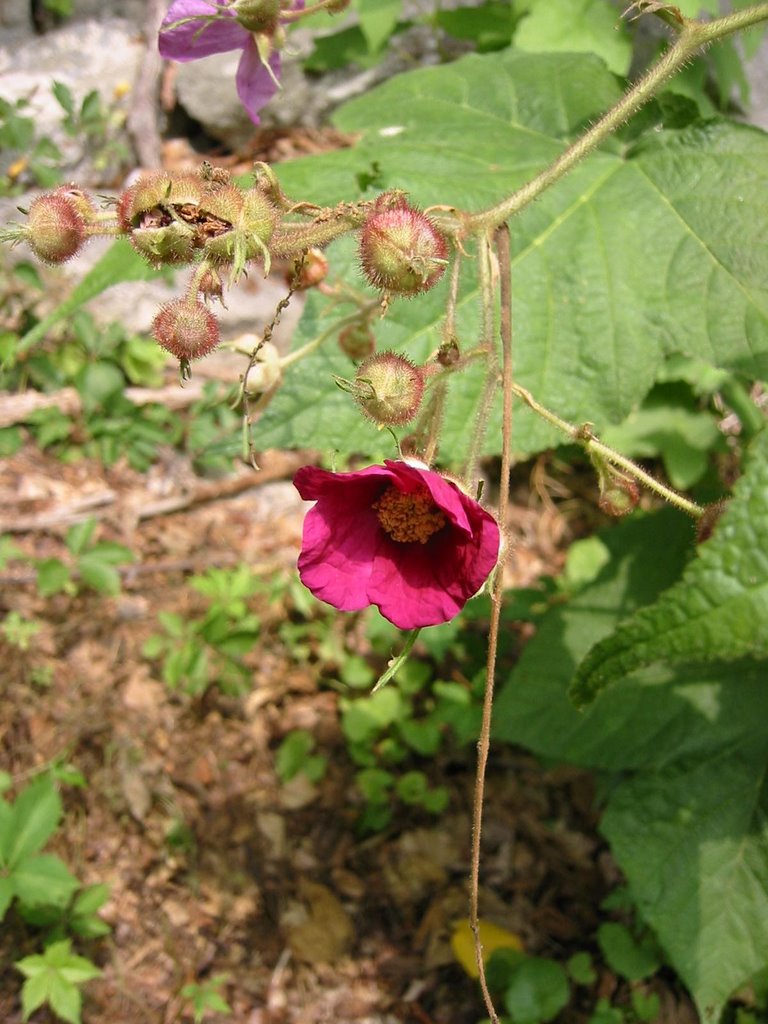
Raspberries probably originated in Eastern Asia and they were used as a cure for sore eyes and throats and to cleanse the teeth.

Part of the Rose Family

Raspberries are the most fragile berry

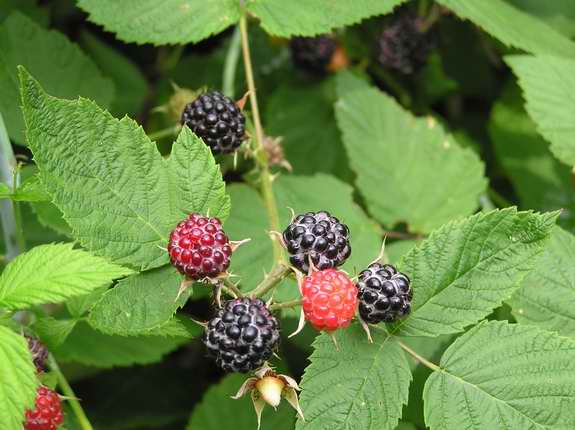
This berry comes in many colors


Black raspberries

The two main colors are Black (aka black cap) and Red


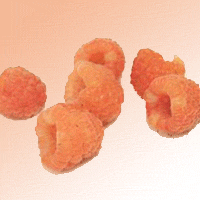
Golden- this is a type of Mutant red raspberry


Purple - a cross between the black and red raspberries

How to choose
Raspberries, unlike strawberries, should not have a core (or hull) in them. If your raspberry has a core, it was picked too early and is likely to be very tart.

Black and Purple Raspberries are available July into August.

Raspberries can be grown from the Arctic to the equator. (source)

Half to one pound of raspberry fruit per day can provide twenty to thirty grams of fiber which is adequate for an adult daily nutrition requirement. (source)


Sources:
www.hungrymonster.com
www.britishsummerfriuts.co.uk

Wednesday, July 05, 2006

Kiwi Facts

Kiwi Info From Fresh 1


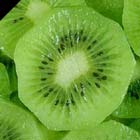
A 1997 study (conducted at Rutgers University in New Jersey) determined that ounce for ounce the kiwifruit provides the most nutrition value in a fruit! (a little dated but- good info none the less; I bet the Acai Fruit beats this one out, not sure though)


  • An excellent source of vitamin C under FDA definitions, offering 60 milligrams per serving.
  • A good source of dietary fiber, with 4 grams a serving, 16% of the RDA.
  • A good source of potassium, containing more than 10 percent of the recommended dietary intake.
  • A good source of vitamin E, which is extremely hard to find in low-fat food sources.
  • A potent source of antioxidants, containing a wealth of phytonutrients, including: carotenoids, lutein, phenolics, flavonoids and chlorophyll.
  • A remarkably good complement of amino acids (the building blocks of protein).
  • Very low in sodium and contains no cholesterol and virtually no fat only about 1 gram per serving from the tiny black seeds.
  • A significant source of folic acid, copper and manganese, all of which are limited in the American diet.
The kiwifruit was originally called Chinese gooseberry.
New Zealand promoters realized they were up against the American cold war mentality. To overcome this fear of Communism and China they deleted the reference and replaced it with their national bird (the kiwi).


How I Eat a Kiwi
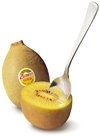
One of the reasons I like to eat Kiwis is because all you need is a spoon and a knife (only making one cut)
I just cut them in half width-wise and eat them (pretending the skin of the fruit is a cup).
Like this:


Great for an "at work" snack
I also enjoy it in salads.
How do you eat your kiwi?

Monday, June 19, 2006

Grapefruit Facts


That's a Pomelo on that poor kitties head!


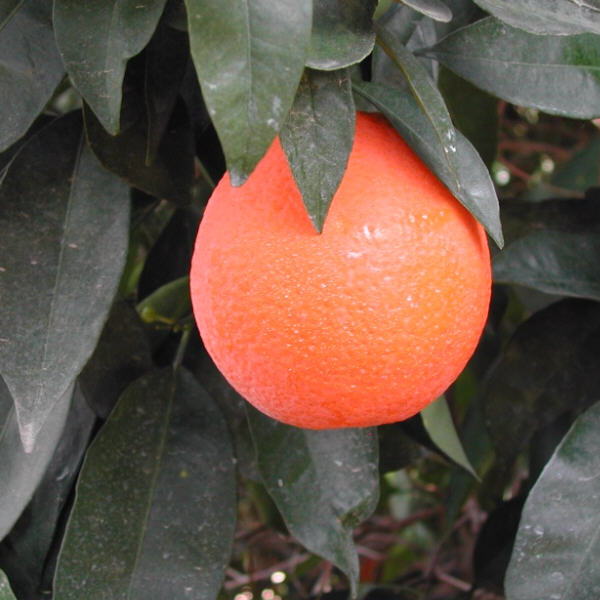
And that's an orange. Put them together and we have- GRAPEFRUIT!


Grapefruit developed as a
hybrid of the pomelo and the sweet orange

It is believed that grapefruit originated in the West Indies.

There are two main western varieties (Ruby Red and Marsh White) and two recently developed varieties (Star Ruby and Rio). All are sweet, juicy and seedless. (source)

Packed with vitamin C- half is all you need for an whole days worth.

Practically all grapefruit in the United States is grown in Florida, California
, Arizona, and Texas.

The grapefruit is named so because the fruit grows in bunches as grapes do. (
source)

I saw this in a lot of places and it surprised me:

Grapefruit has interactions with prescription medications
May interact with medications for anxiety, depression, high blood pressure, or high cholesterol.


I used to really dislike the taste of grapefruit (too bitter/sour) but my grandma showed me how to eat it and I love it now.


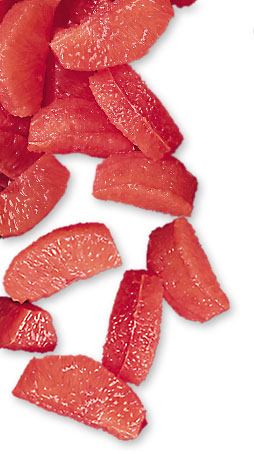
I just peal it like an orange then I tear it in half. Now here's the tricky part- take off the SKIN of the fruit. It's usually the skin and the white bitter rind that taste bad. I don't even put sugar on my grapefruit- with out the skin or white rind, it's VERY sweet.

I never eat grapefruit cut in half, or packaged grapefruit either (it's too bitter).


I'll try and take some pictures of a peeled and NAKED grapefruit for you this week so you can get an idea about what I mean. (a recipe too of course!)

okay I'm off to the park.

be back soon!

Teddy

Update

Thank you to Jennhx for a great questions about grapefruits (you can see it in the comments). Here's a link that has the entire history of the fruit.

Friday, June 16, 2006

Bell Peppers

Facts from: Worlds Healthiest Foods and Wikipedia

Best eaten during the months of August and September.


Bell peppers are not hot’. They contain a recessive gene which eliminates capsaicin, the compound responsible for the hotness found in other peppers.

Bell peppers are rich in both vitamin A and C.


Side note about Vitamin A: In a Kansas St University study, it was discovered that patients with e
mphysema had vitamin A deficiency. Therefore, adding more vitamin A lessened the effects of the disease (by NO means was it close to a cure). But this provided a possible explanation as to why some smokers develop the disease and some live to an old age and why some do not.

Outside of the US, bell peppers are called other name
s.

Japan, Scandinavia and Hungry = Paprika
Malaysia, Australia = Capsicum (red capsicum, green capsicum...)
There are a few states that call bell peppers Mangoes (OH, ID, KY)


Green peppers are unripe bell peppers and are therefore less sweet and more bitter.


LAST FACT (to make you smile)
On the popular Japanese show Iron Chef, Chairman Kaga eats a Yellow Bell pepper in the beginning credits. :) (LOVED watching this show when I was growing up, it was before the show was on the food network- my uncle showed it to me.)

Now if you're all scratching your head wondering why I choose Bell Pepper it's because last nights dinner was STUFFED bell peppers. I'll post more on that (with pictures of course) later.


Have a great Friday!


Sunday, June 11, 2006

Artichokes

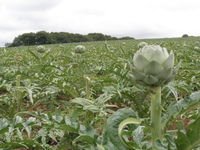
This is what the plant looks like (I saw a BUNCH of these when I drove up the coast highway in CA in January)

I found most of these facts on Wikipedia

There are 3 common types of "Artichokes"

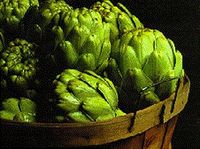
Globe (the one we all think of when we say artichoke)
Jerusalem
Chinese

Globe (the most common)

A member of the thistle family (daisy and sunflowers).
We eat the flower bud before it blossoms.


History

Globe Artichokes were first cultivated at Naples around the middle of the 15th century, and are said to have been introduced to France by Catherine de Medici, in the 16th century. they were growing in Henry VIII's garden at Newhall in 1530. They were introduced to the United States19th century, to Louisiana by French immigrants and to California by Spanish immigrants

Where they are grown

Virtually 100 percent of all artichokes grown commercially in the United States are grown in California.
Castroville, a town with a population of a little more than 5,000 and located in Monterey County, is the self-proclaimed "Artichoke Center of the World" because three-fourths of all California artichokes are grown in this area. (source)
The closer you are to Castro, CA the fresher your artichokes are.

How to choose a good Artichoke (I actually got this from an episode of Good Eats I own- Alton Brown knows his stuff!)

Size= Large navel orange. It should seem heavy for it's size
Color- a little more tricky. If it's spring they are light green with purple, summer olive drab color.
The best indicator are the leaves. You want your artichoke to have tightly packed leaves (not all spread out). Also, test a leaf by folding it in half. If it snaps, it's fresh. You don't want a rubbery leafed artichoke!
And try to get the longest stem possible (when cooked they taste similar to the heart)

The Two Less Common "artichokes"


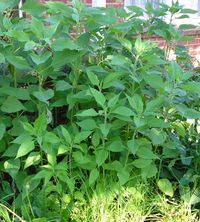
Jerusalem

The Jerusalem artichoke has no relation to Jerusalem, and little to do with artichokes.
Instead of eating the flower of this plant (like with the globe artichoke), the roots are eaten.
The artichoke part of the Jerusalem artichoke's name comes from its taste, which is a cross between a radish and a artichoke.

Chinese


The Chinese artichoke or knotroot is distinctly rare.
The Chinese artichoke is easy to grow but it's rare because it's not easy to cook with.
In China, the Chinese artichoke is used primarily for pickling.


There ya have it. More than you ever wanted to know about ARTICHOKES. I actually know a little more so if you have any questions, shoot away : )

Saturday, June 10, 2006

Watermelon

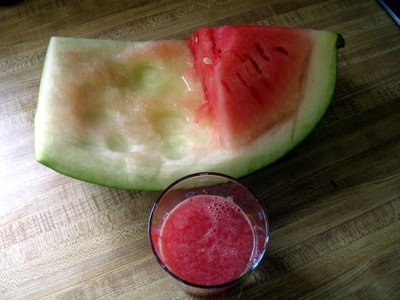
Watermelon and Artichokes Sounds weird eh? Well I didn't eat them together! I just prepared them at the same time. The other day Vegan Momma posted something that inspired me to go out, and do it. Watermelon Juice and pops :) It's simple, it's scrumptious and it tastes of summer. Basically, I just bought a watermelon, chopped it up, and threw it in a blender. I have A LOT more watermelon left (we bought two, one organic, one non-organic. I juiced with the organic one). Now I'm sipping on Watermelon Juice while my Watermelon Pops are freezing in my fridge and I'm waiting for my artichokes in my steamer. (not doing anything fancy with them. I love them just steamed with some lemon, I usually don't even dip them in anything) Abbey's here too! She decided to come relax indoors away from the heat and give herself a good bath. : ) Time to check the Artichoke. hmm I think I'll research and post facts about Artichokes tonight.
Talk with you soon!

Thursday, June 08, 2006

Jicama

A.K.A. Mexican Potato/turnip and the Yam Bean


Facts
  • In contrast to the root, the remainder of the jícama plant is very poisonous; the seeds contain the toxin rotenone, which is used to poison insects and fish. (source)
  • Jícama is composed of 86-90% water (there aren't many vitamins in it either) (source)
  • The sweetness of the Jicama comes from the oligofructoseinulin (also called fructo-oligosaccharide), which does not metabolize in the human body thus, it makes the root an ideal sweet snack for diabetics and dieters. (source)
  • The shelf-life of this is a plus for me: A fresh root stored at an appropriate temperature will keep for a month or two. (source)


  • Most Jicamas on the market are imported from Mexico and South America because Jicama requires a warm, frost free environment to grow.
  • Good quality jicama roots should be smooth and firm, with uniform shape and size, be free from mechanical damage to the skin, and have a crisp, succulent, white sweet-starchy flesh.

Recipe:

I've only eaten a Jicama as a snack or in salads. Does anyone have a good recipe I can use this in?


Monday, June 05, 2006

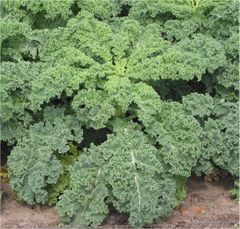
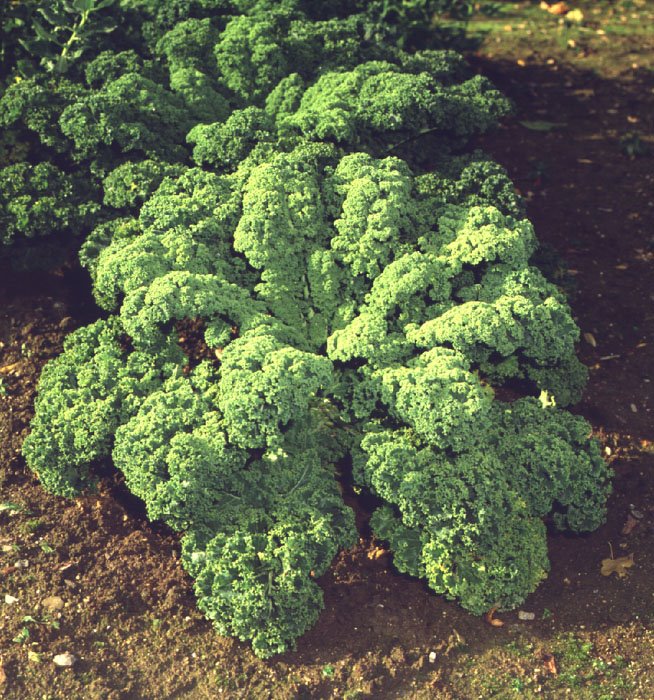
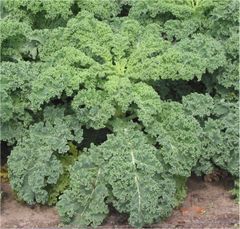
Kale Facts


Facts from Wikipedia and The World's Healthiest Foods

Kale freezes well and actually tastes sweeter and tastier after being exposed to a frost.

Kale is a form of Cabbage in which the central leaves do not form a head.

In
Scotland, kale provided such a base for a traditional diet that the word in dialect Scots is synonymous with food. To be "off one's kail" is to feel too ill to eat.


Kale is a very good source of iron, calcium, vitamin C, Folic Acid, vitamin K and Carotenoids (which provide vitamin A).


Curly kale played an important role in early European foodways, having been a significant crop during ancient Roman times and a popular vegetable eaten by peasants in the Middle Ages.

How to select and store

Look for firm Kale that is dark green and unwilted. Choose smaller leaves because they are more tender. Once home store unwashed in a damp paper towl. Wash only when you are ready to eat.
Kale is best in the winter months and early spring.

Saturday, June 03, 2006

Wasabi

As promised, here are some of the facts I found on Wasabi (known as the Japanese Horseradish) from (source)

A member of the cabbage family.

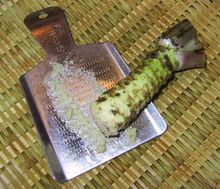
Wasabi is sold in root form, which must be very finely grated before use.


Wasabi is difficult to cultivate because it needs very a specific soil type.


This is how most Wasabi is sold around the world.

However the above picture is not actual Wasabi root. It is colored, normal Horseradish.

The root that makes wasabi is exceptionally rare and expensive

Wasabi Root loses some of its flavor if dried, so if you're buying dried wasabi root it's still not the same as fresh wasabi paste.

You can pretty much only get the real stuff in Japan. If you'd really like to try fresh wasabi you could try this place WASABI.


Fresh leaves of wasabi can also be eaten and have some of wasabi root's hot flavor. The leaves are battered and deep-fried into chips. (I would want to try this)


Wasabi has inspired a song, "Wasabi Kiss", by Belgo-Japanese-Vietnamese music project AWAKEN


That's what I've found. Has anyone tried REAL Wasabi root? I'm curious what the differences are between that and what I normally get at my sushi bar.

Friday, June 02, 2006

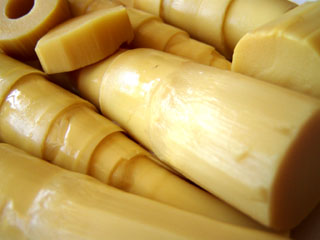
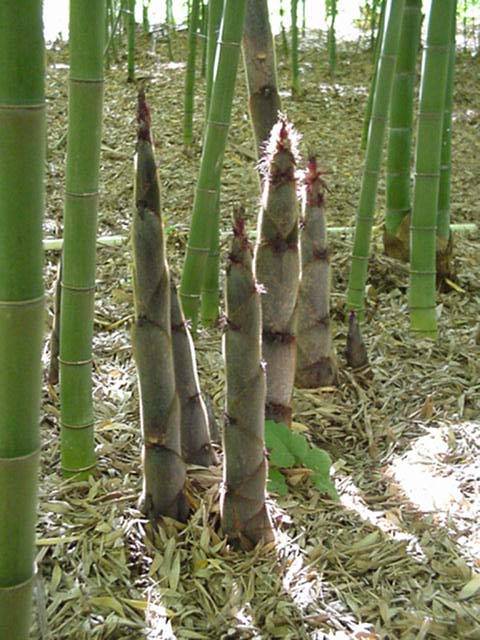
Bamboo Shoots


Boy was I a busy Blogger yesterday haha
I just noticed I had 3 posts. Phew, no wonder my fingers are sore hehe

Fun Facts from Wikipedia :

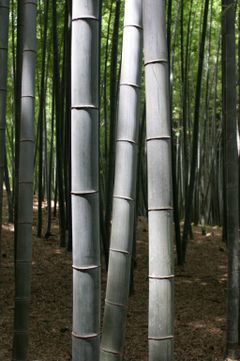
Bamboo can range in height from a few centimeters to 40 metres, with a stem diameter ranging from 1 mm to 30 cm.


Some species of bamboo rarely flower, some of them only every 10-100 or more years.

Bamboo is the fastest growing woody plant.

Modern companies are attempting to popularize bamboo flooring made of bamboo pieces steamed, flattened, glued together, finished and cut.

Bamboo's long life makes it a Chinese symbol of long life, while in India it is a symbol of friendship.

Since Bamboo rarely blossom the flowers are regarded as a sign of impending famine.

(I hope Kai sees this one!! I saw it and thought of you.) In the Philippine creation myth, legend tells that the first man and the first woman were split open from a bamboo stem that emerged on an island created after the battle of the elemental forces (Sky and Ocean).


Wednesday, May 31, 2006

Peas


Since I just made the fresh pea soup I thought this would be a good item of the day
I got a comment from KleoPatra asking what the difference between split pea soup is and my soup. After researching, the only difference I could find was that split pea soup is made with dried peas. Is that right guys?

ok Pea-wee Facts : )

Fresh peas are often boiled with spearamint . (I've never had that but am curious what to tastes like)

U.S. President Andrew Jackson's favorite dishes was a Pease Pudding seasoned with onions, cloves, carrots, celery, butter, nutmeg, sour cream, salt, pepper, and sugar. (
source)

The pea became so ingrained into the everyday existence of so many cultures from the Middle East to the Mediterranean, Europe, and Asia that the name appeared as part of other legumes such as pigeon peas, cowpeas, black-eyed peas, chick-peas, capucin peas, and peanut. (
source)

Excessive eating of peas MAY cause gout. (we're talking extreme eating of peas here) (source)

The French king Louis XIV popularized peas in the 17th century by making them an item of high regard on the menus of parties held at his palace. (source)

Christopher Columbus is believed to have brought the first peas to America in 1493, planting them on Isabella island. (
source)

Peas have been around a LONG time
In Thailand, peas have been found in caves that are over 11,000 years old. (
source)

Frozen peas are preferable to canned peas as they retain their flavor and have lower sodium content. (my fav fact of the post!- frozen peas are goood
source)

Peas and genes : )

In the 19th century during the early developments of the study of genetics, peas played an important role. The monk and botanist, Gregor Mendel used peas in his plant-breeding experiments. (
source)


Hope you enjoy and appreciate peas more!

Sunday, May 28, 2006

Acai


Info is from AcaiRoots
Pronounced "ah-sigh-EE"

Eaten in Brazil for breakfast

Acai (açaí) is a palm tree that grows in the North of Brazil.

It is known by the native people (indigenas) as "içá-çai", which means "fruit that cries".

The legend of the fruit that cries:

There was an Amazon Indian girl named Iaca, whose father was the tribal chief. His tribe had grown so large that there wasn't enough food to go around. So, the chief decreed that all newborn babies must be killed. When Iaca, his own daughter, bore a child, the chief had his decree carried out. Iaca mourned her baby’s death alone in her hut for days. Then she thought she heard a baby crying. When she went outside in search of the baby, she saw a palm tree shooting up from the earth, covered in fruit. Full of despair, she lay down under the tree and died. The next day, the tribe found Iaca's body under the new tree. The tree's fruit satisfied their hunger and renewed their energy, and the chief lifted his harsh decree, declaring that the fruit would be named after his daughter ("Acai" is "Iaca" spelled backwards). With abundant food for all, the tribe grew and flourished.


There seems to be many health benefits from the Amazon fruit. Check them out Here

It's an Oprah website but it's got a good summary of what I've found online : )

It's late late late. Talk to you all tomorrow !

Quinoa

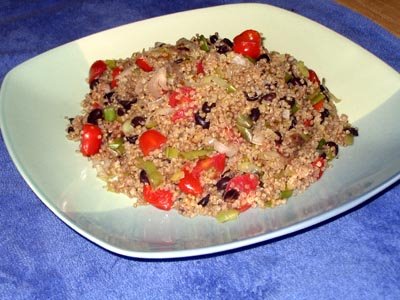
I tried QUINOA for the first time last night and I have to say- it was good! (well better than good) As I ate I thought "this tastes like grain caviar". Looks like I'll be eating it again for sure

I didn't really use a recipe. I looked around at what I had and made it work. What I ended up eating was-
Quinoa with sauteed leeks, black beans and fresh pearl tomatoes.
YUM YUM YUM : )


What I love most about quinoa is that I can just throw it into my rice cooker and then when it's done mix it with all my other ingredients. Quick and simple.

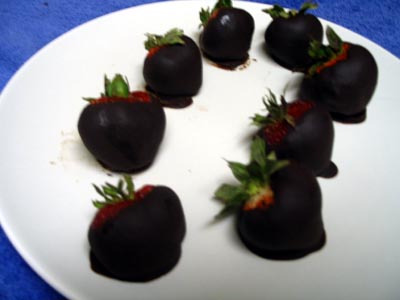
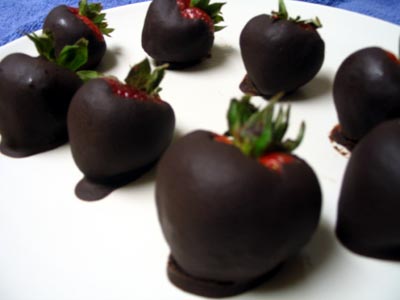
For dessert I melted some semi sweet chocolate and dipped strawberries into it. However, I forgot to grease the plate or put down some plastic wrap so the dessert stuck to the plate- OPPS. It tasted devine though . Okay, I need to admit I added a SECRET ingredient to the chocolate to make it have a little something extra. (I don't know if anyone else would use it but it turned out great hehe: )) Not sure if Im going to announce the ingredient just yet though.


Overall it was a great meal!

Time to enjoy my LAZY Sunday